CHAPTER 3
Lesson 25 · To have

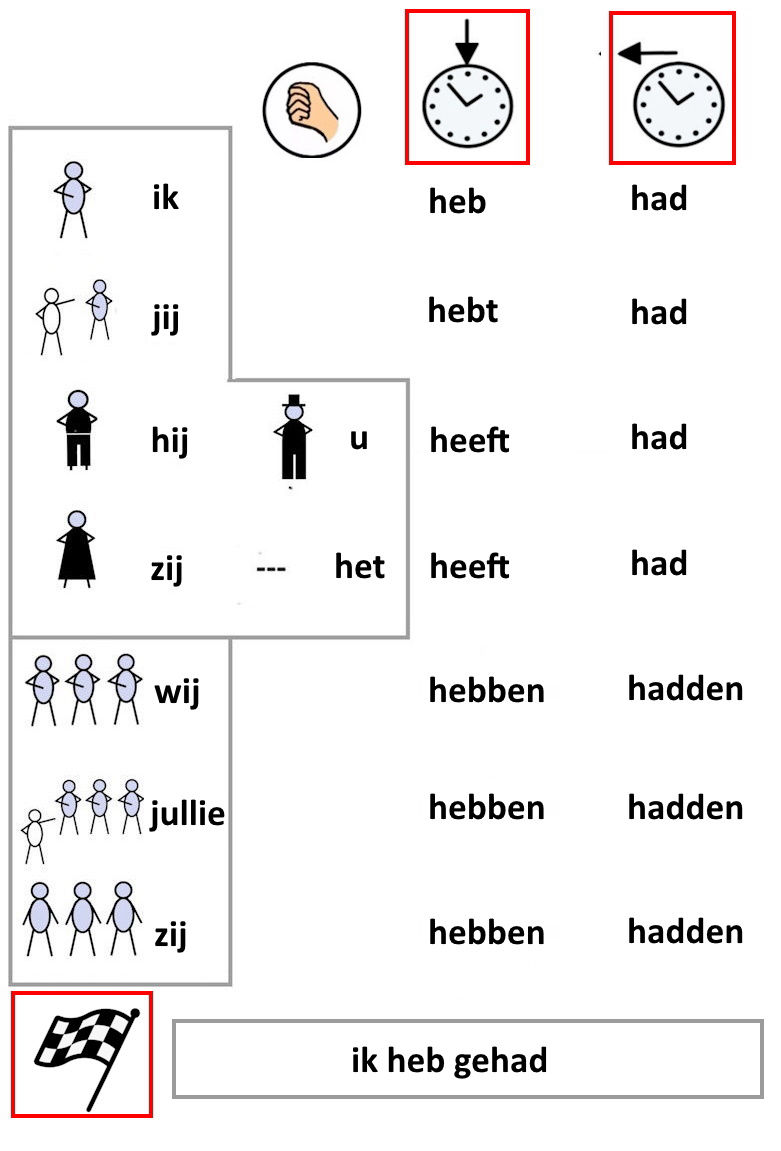
The importance of the verb "to have"

The verb "to have" is one of the most essential verbs in any language, including Dutch. It plays a crucial role in everyday communication and is fundamental to building sentences and expressing various concepts. Here's why "to have" is so important:
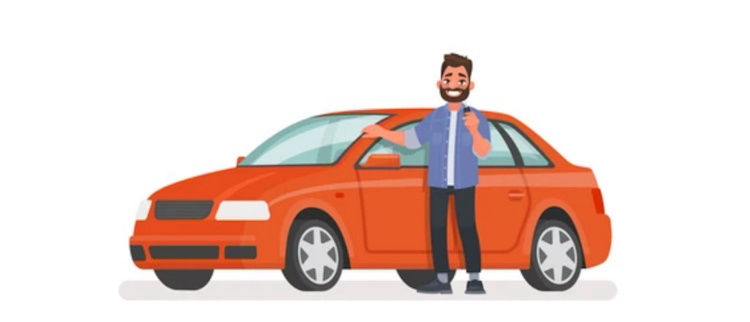
Ownership and possession:
"To have" is used to indicate possession or ownership. For example, in Dutch, "I have a car" is "Ik heb een auto". This simple structure helps you talk about what you own or possess.
Helping other verbs:
The verb "to have" is also used with other verbs to talk about actions that are completed. For example, "I have eaten" in Dutch is "Ik heb gegeten". This helps in talking about things you have done.
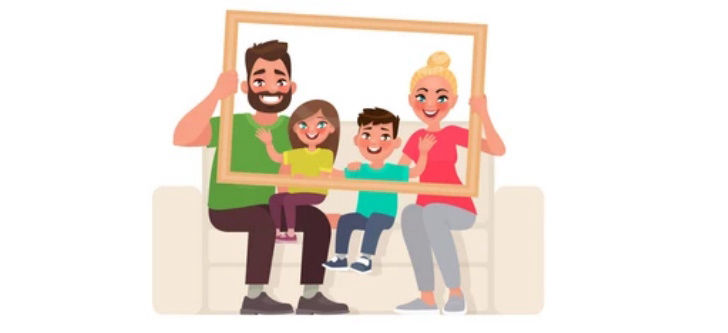
Expressing relationships:
It helps in expressing relationships and conditions. For instance, "I have a sister" is "Ik heb een zus", showing the relationship between you and your sister.
Do not translate word for word: English “have to” expresses obligation. Dutch uses moeten: Ik moet gaan. — I have to go. This is not a form of hebben.
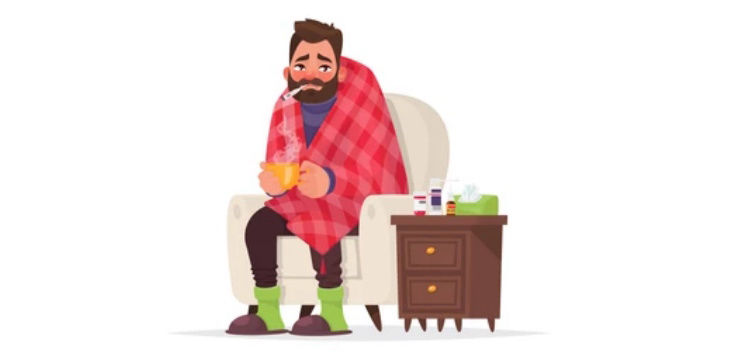
Health and feelings: Dutch and English do not always use the same verb. English says “I have a cold”; Dutch says Ik ben verkouden. Learn this as a complete expression.
Other examples with the verb "to have"are:
- "Ik heb koorts" for "I have a fever".
- "Ik heb griep" for "I have the flu".
Health and feelings: Dutch and English do not always use the same verb. English says “I have a cold”; Dutch says Ik ben verkouden. Learn this as a complete expression.
Conclusion
Mastering the verb "to have" is essential for beginners because it forms the foundation for more complex sentence structures and helps in conveying basic but crucial information in everyday conversations. By learning how to use "to have" in Dutch, you will be able to describe possession, form important sentences, and communicate your needs and experiences effectively.
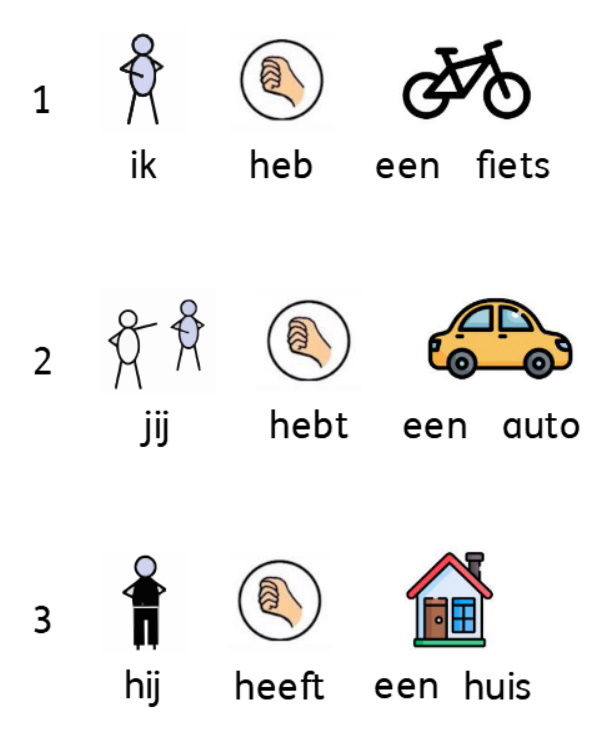
1. I have a bike
2. you have a car
3. he has a house
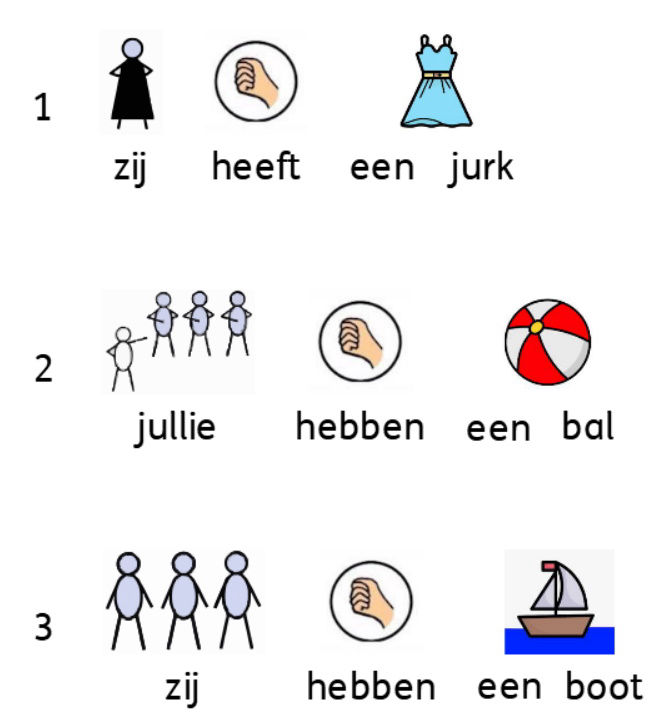
1. she has a dress
2. you have a ball
3. they have a boat
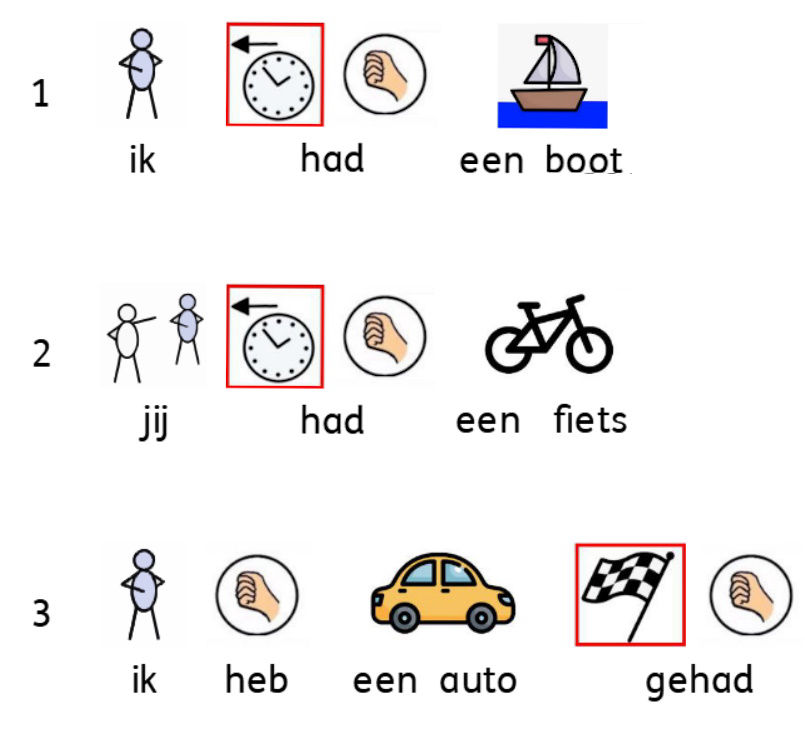
1. I had a boat
2. you had a bike
3. I have had a car
Test
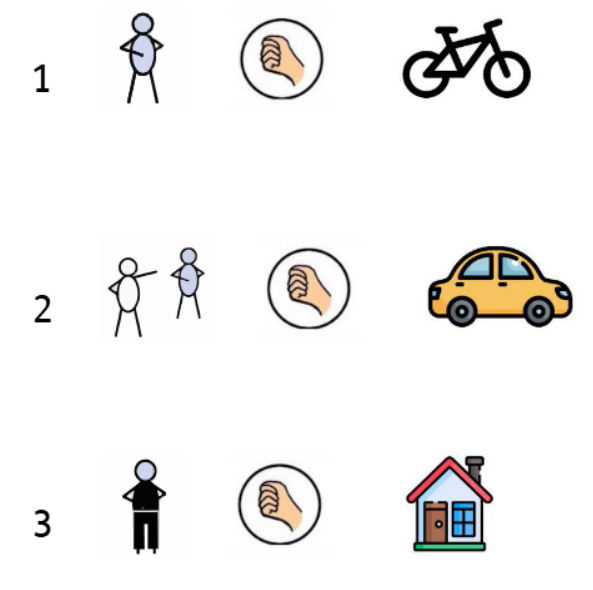
1. I have a bike
2. You have a car
3. He has a house
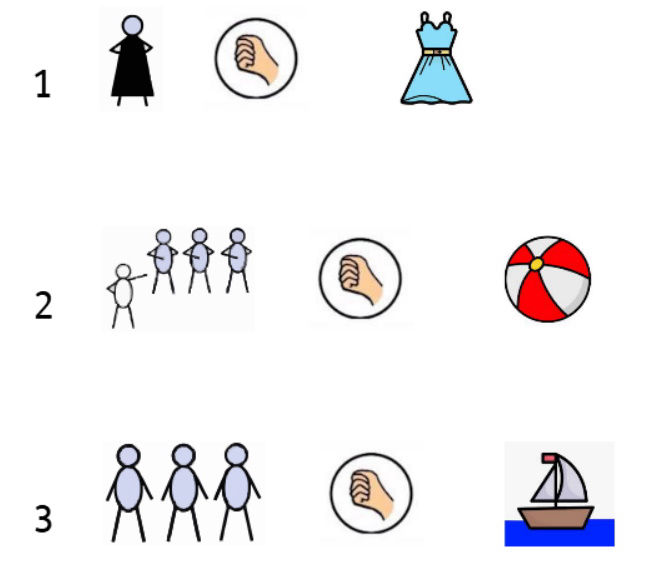
1. She has a dress
2. You have a ball
3. They have a boat
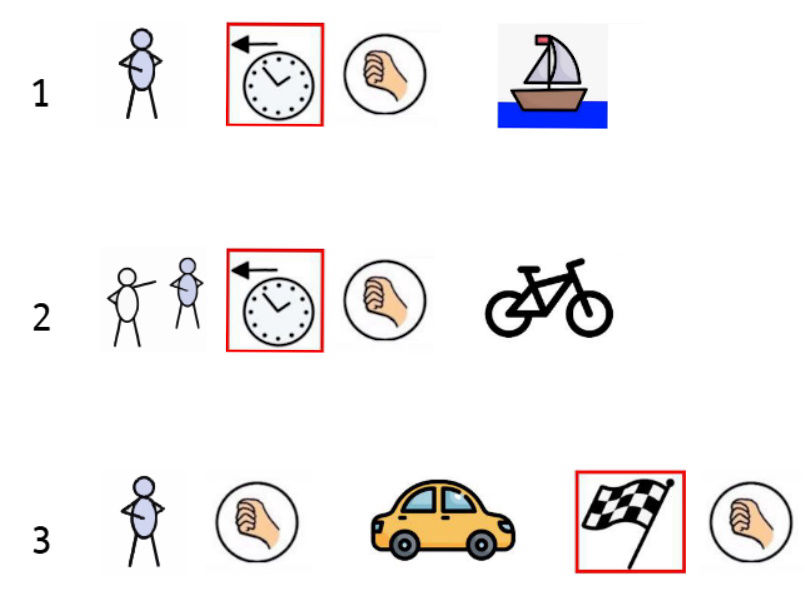
1. I had a boat
2. You had a bike
3. I have had a car