CHAPTER 2
Lesson 15 · More sentences
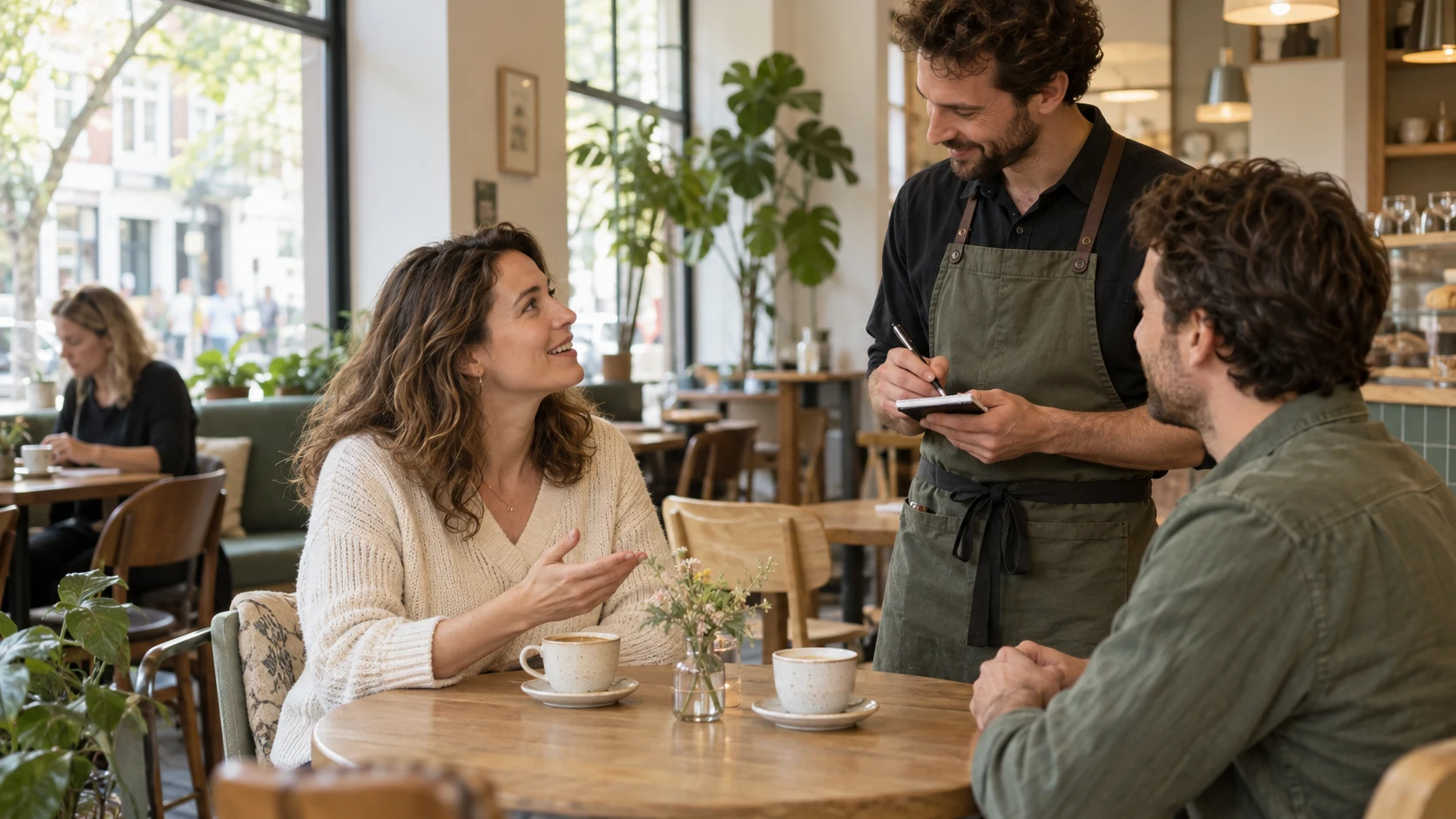

Now we will offer more sentences. We start by a sentence that describes a very important moment in the morning: It is about drinking coffee.
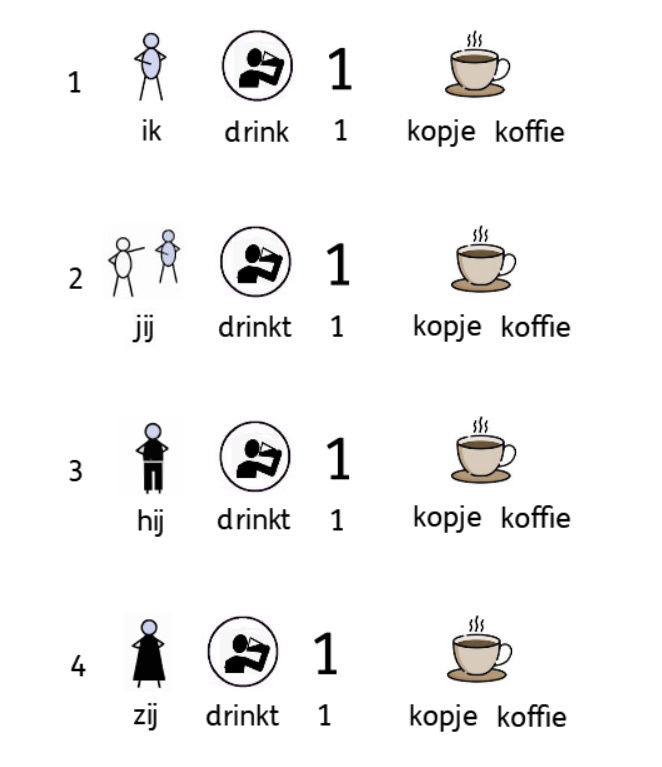
1 I drink 1 cup of coffee
2 you drink 1 cup of coffee
3 he drinks 1 cup of coffee
4 she drinks 1 cup of coffee
More persons
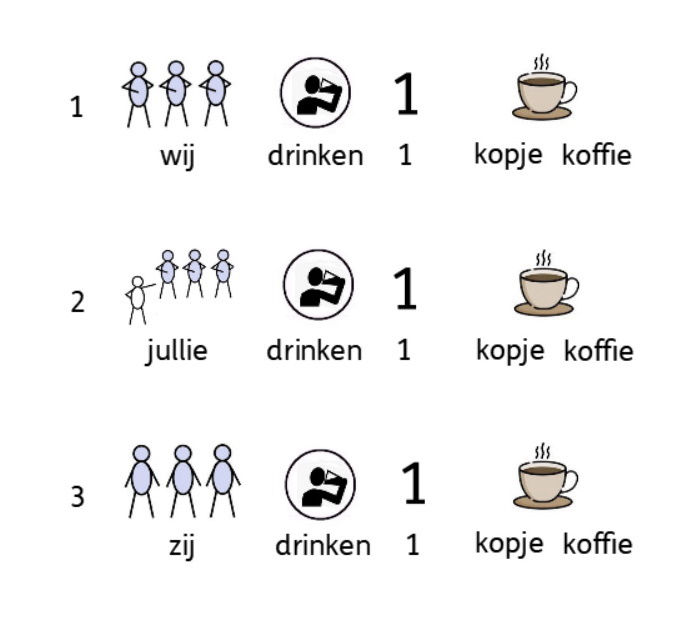
The next sentences demonstrate the plural form.
More polite

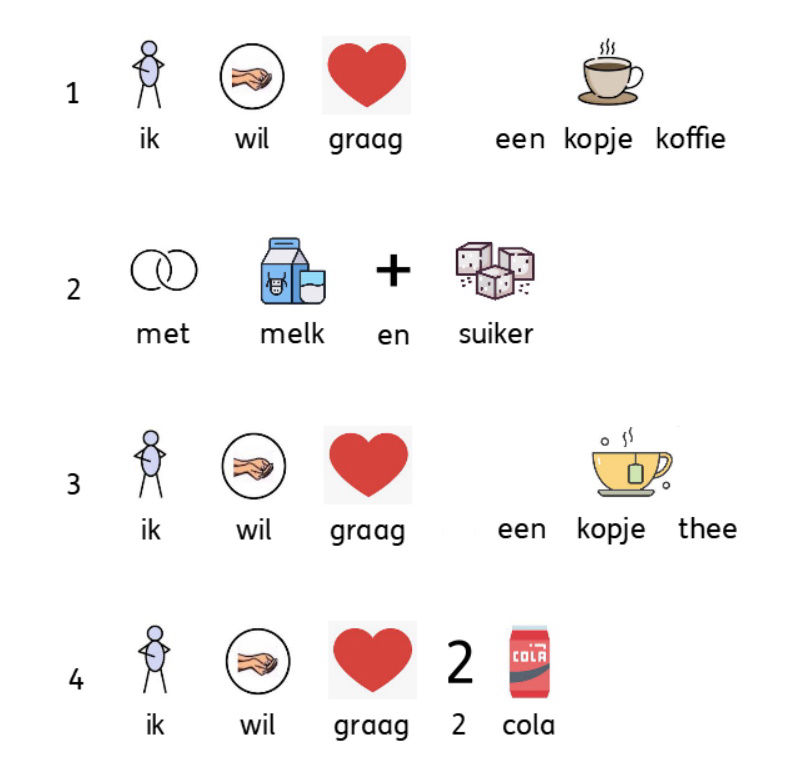
Graag often means “gladly” or “with pleasure”. In Ik wil graag een kopje koffie., it makes the request more polite: “I would like a cup of coffee.” It does not simply mean “really”.
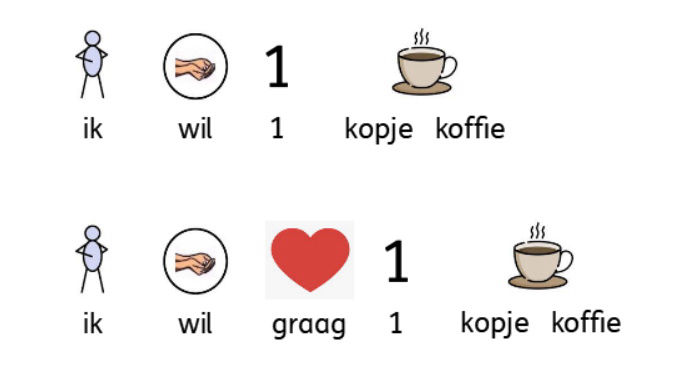
I want 1 cup of coffee
and now the more polite form:I'd like a cup of coffee
A special symbol
The symbol to indicate "with".
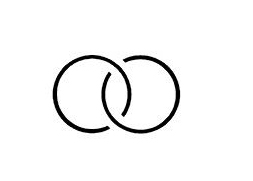
Usually we ask if people want milk and or sugar in their coffee.
This symbol with the 2 rings is used to indicate the word "with". You can remember it by thinking about the resemblance of a part of a chain (a chain connects and that is the meaning of "with").
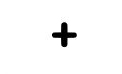
This symbol is used to indicate the word "and". The symbol is also used in calculations and there it has the same meaning, for instance 1 + 3 = 4.
1 versus "een"
In practice, we say "1" when we mean only one cup. However, in everyday conversations, we use the word "een". This word is known as an article, and we will focus on these articles later. The pronunciation of this word is interesting. Look at the following examples. "1 cup of coffee" versus "a cup of coffee".

Now listen to the differences in pronunciation:
The number één has a stressed long vowel. Listen to the number:
The unstressed article een normally has a reduced vowel, the schwa. It is still spelled een. Listen to the article:
The polite form of asking something

You can say "I want" but a better, more polite way is by using "I'd like". Here are some examples.
The construction with a question
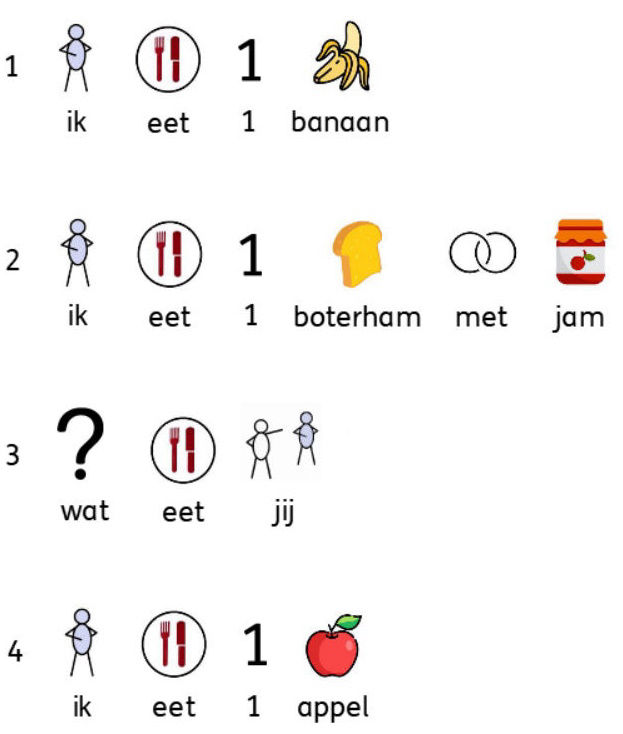
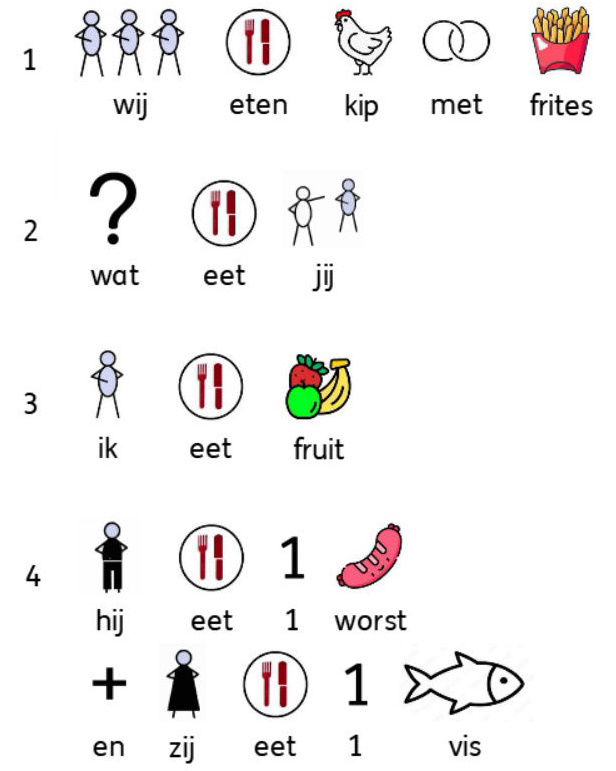
The next sentences are obvious but we have to pay attention to the sentence with the question. Notice the change in word order "you eat" is switched to "eat you" to indicate a question. That is a typical Dutch construction.
Some food and drinks
Later lessons cover more food and drinks vocabulary.
Here are some examples as a start.
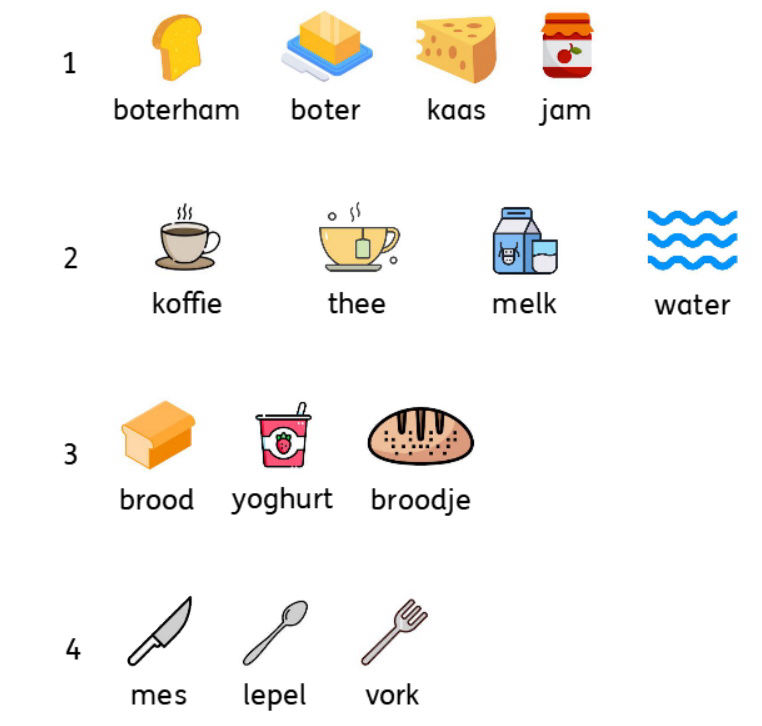
1 slice of bread, butter, cheese, jam
2 coffee, tea, milk, water
3 bread, yogurt, bun
4 knife, spoon, fork
Test
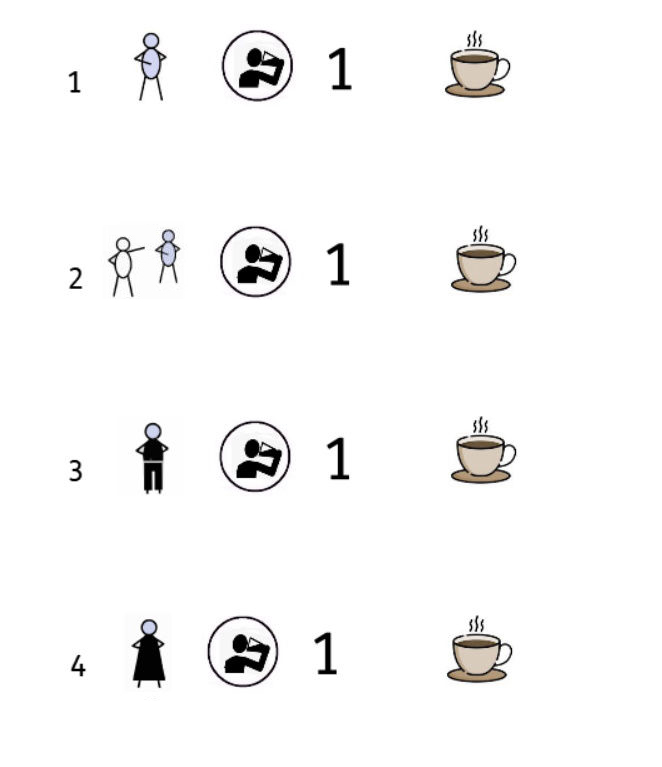
1. I drink 1 cup of coffee
2. You drink 1 cup of coffee
3. He drinks 1 cup of coffee
4. She drinks 1 cup of coffee
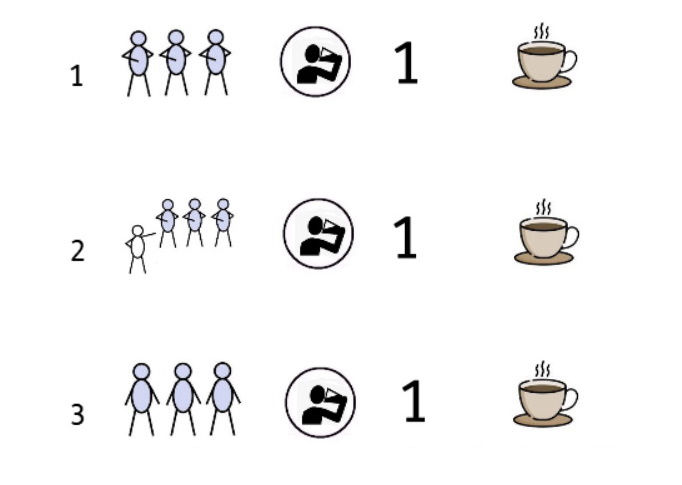
1. We drink 1 cup of coffee
2. You (all) drink 1 cup of coffee
3. They drink 1 cup of coffee
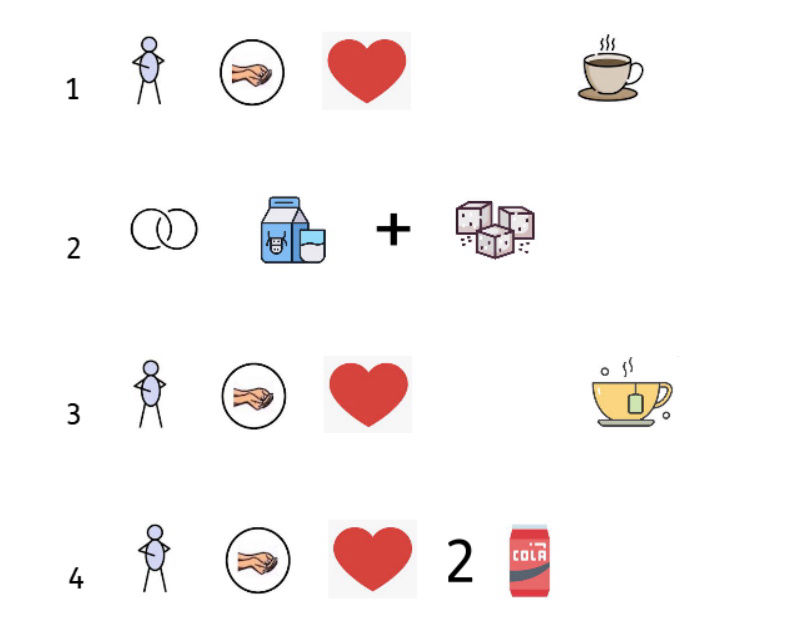
1. I’d like a cup of coffee
2. With milk and sugar
3. I’d like a cup of tea
4. I’d like 2 cola
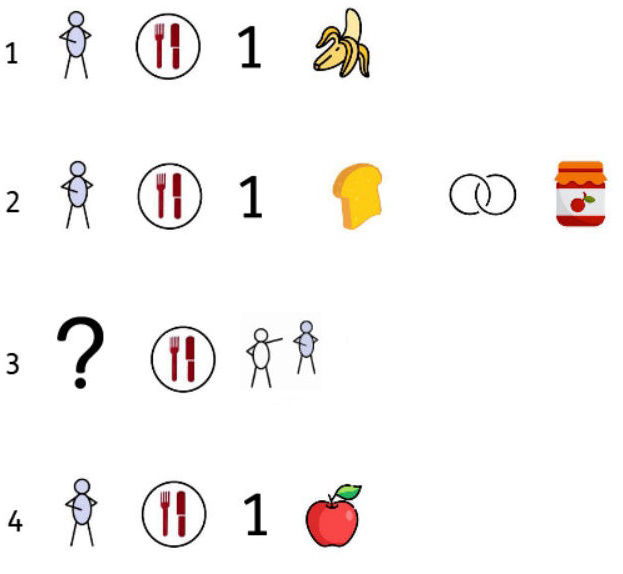
1. I eat 1 banana
2. I eat one slice of bread with jam
3. What do you eat?
4. I eat 1 apple
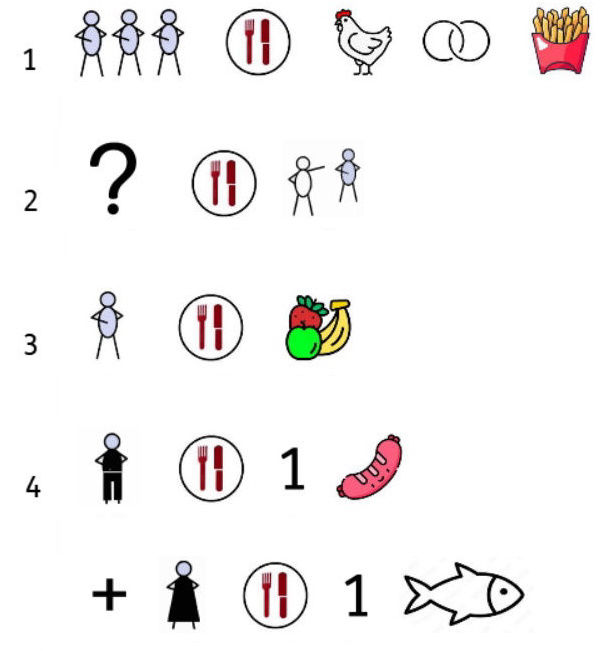
1. We eat chicken with fries
2. What do you eat?
3. I eat fruit
4. He eats 1 sausage and she eats 1 fish
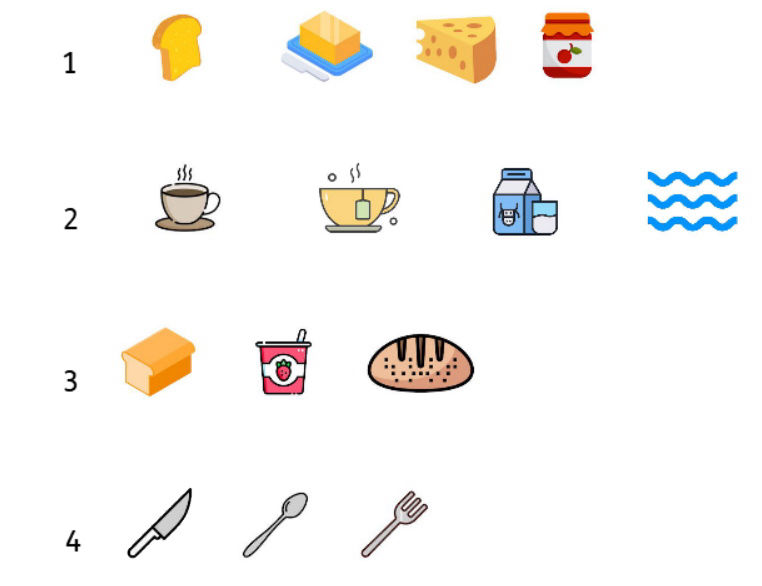
1. Slice of bread, butter, cheese, jam
2. Coffee, tea, milk, water
3. Bread, yogurt, bun
4. Knife, spoon, fork