CHAPTER 3

Lesson 24 · To be
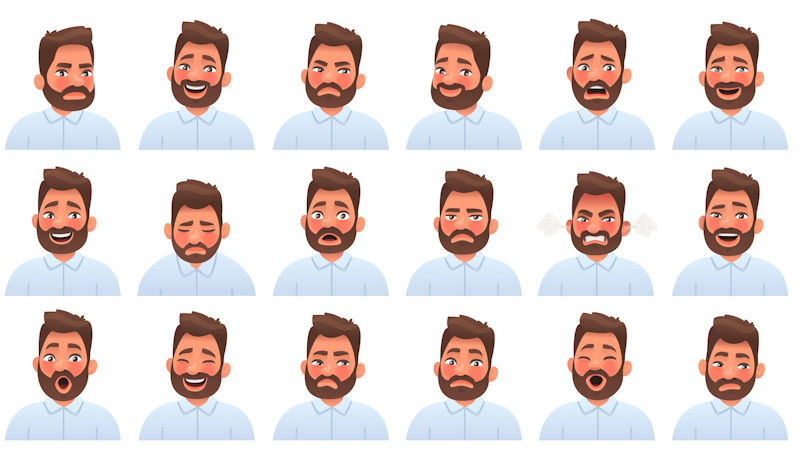
To express feelings

To express feelings

This parcel is delivered on time

The verb "to be" is one of the most essential verbs in any language, including Dutch. It is fundamental for constructing sentences and expressing various ideas. Here’s why the verb "to be" is so important:

Describing identity and characteristics

"To be" is used to describe who or what someone or something is. For example, in Dutch, “I am a student” is “Ik ben een student”. This usage helps identify people and things.

Talking about states and conditions

It is also used to discuss temporary or permanent states and conditions. For example, “I am happy” translates to “Ik ben blij”, and “The weather is nice” is “Het weer is mooi”.

Expressing existence

The verb "to be" indicates existence as well. For instance, “There is a book on the table” becomes “Er is een boek op de tafel”.

Location

It is used to express the location of someone or something. For example, “She is at home” is “Zij is thuis”.

Describing actions

Compare Het pakket wordt op tijd geleverd. — The parcel is delivered on time — with Het pakket is op tijd geleverd. — The parcel has been delivered on time. These are different constructions. For now, focus on the identity, feeling, age and location examples in this lesson.

Happy birthday … I am 5 years old

Basic introductions:
It is used in basic introductions and greetings. For example, "Hello, I am John" is "Hallo, ik ben John".

Age and time:
The verb "to be" is used to talk about age and time. For example, "I am 25 years old" is "Ik ben 25 jaar oud" and "It is 3 o'clock" is "Het is 3 uur".

Conclusion

Mastering the verb "to be" is crucial for beginners, as it is used in various ways to describe people, places, things, and conditions. By learning how to use "to be" in Dutch, you will be able to form basic sentences, introduce yourself, describe your surroundings, and express a wide range of ideas effectively. Below is a guide to explain the usage of the verb "to be".

To be: indicating who you are

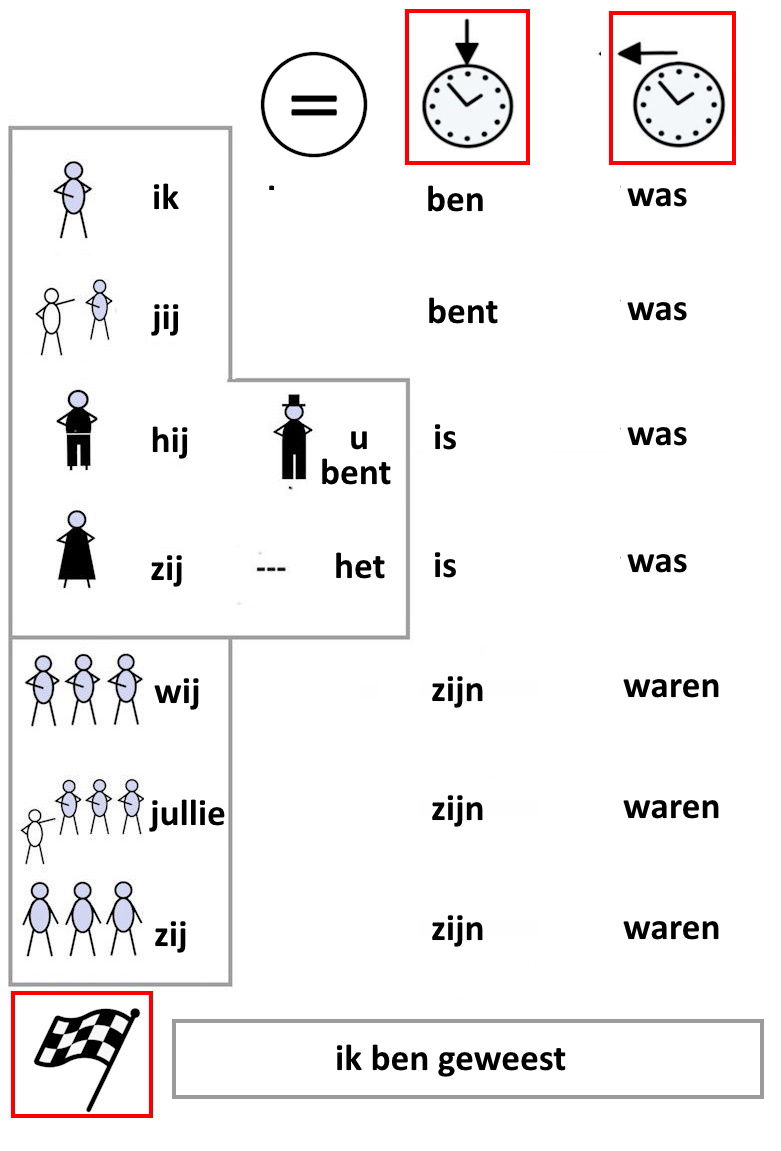
The present tense of zijn is ik ben, jij bent, u bent, hij/zij/het is, wij zijn, jullie zijn, zij zijn. In a question: Ben jij thuis? and Bent u thuis?

Past tense: ik/jij/u/hij/zij was and wij/jullie/zij waren. Perfect: ik ben geweest. Examples: Ik ben thuis. — I am at home. Ik was thuis. — I was at home.

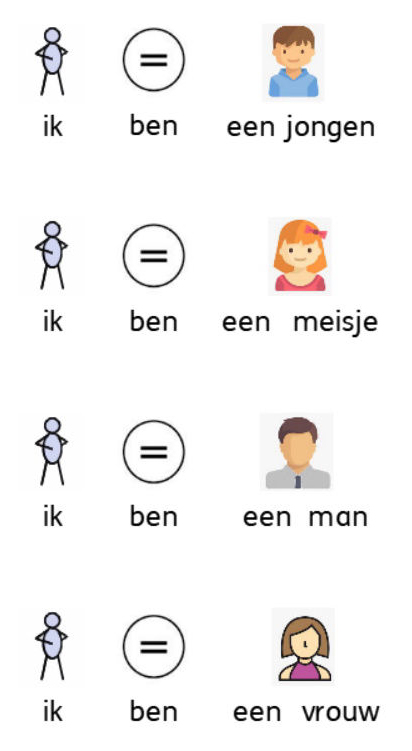
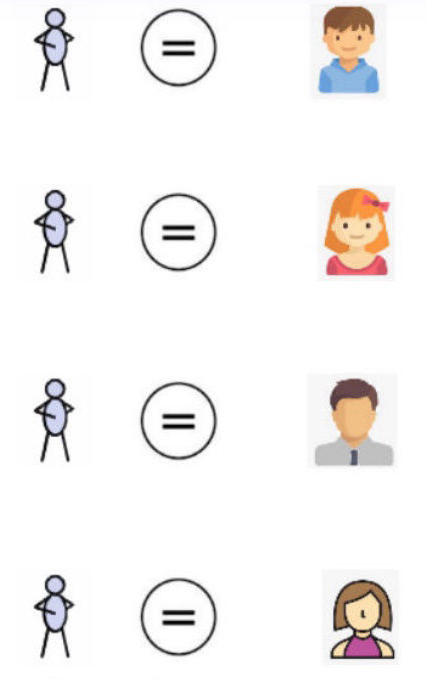
1 I am a boy

2 I am a girl

3 I am a man

4 I am a woman

Indicating what you feel

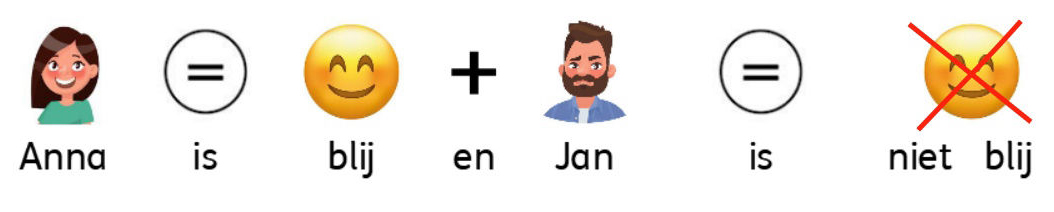
Anna is happy and Jan is not happy

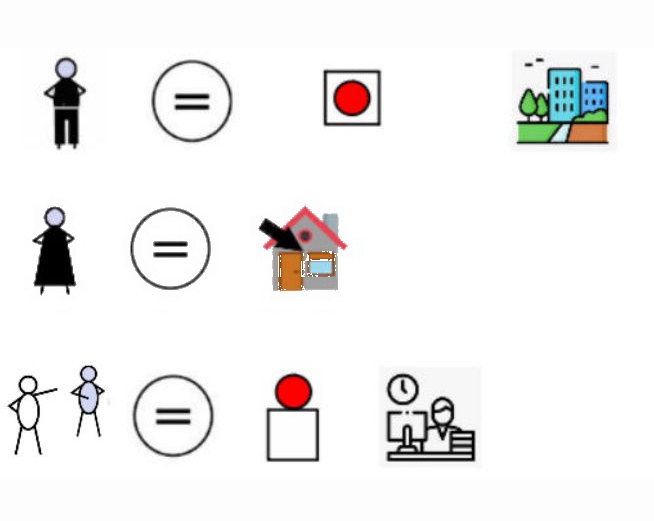
Indicating where you are

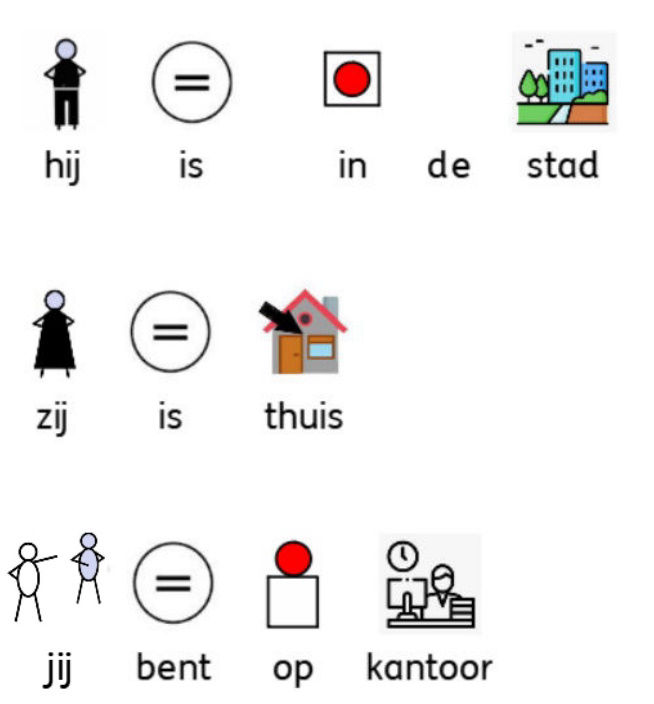
1 he is in the town

2 she is at home

3 you are at the office

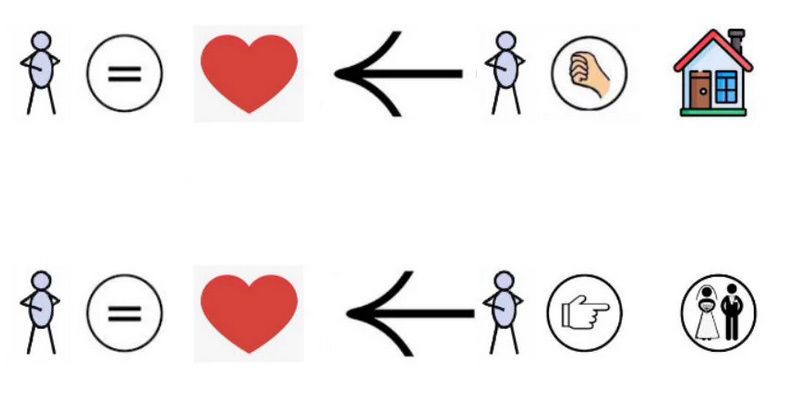
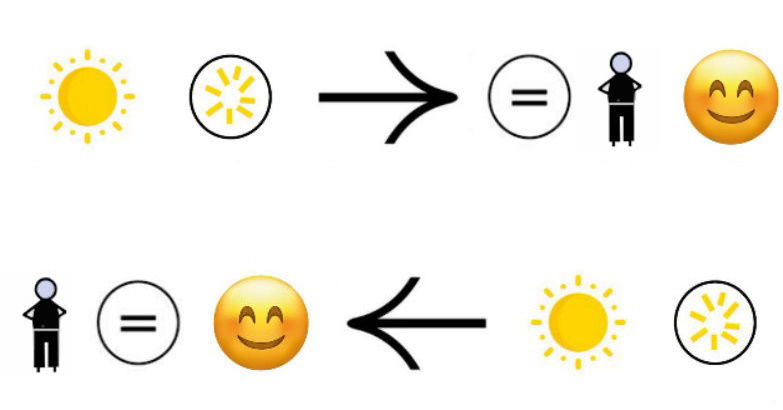
in combination with because or therefore
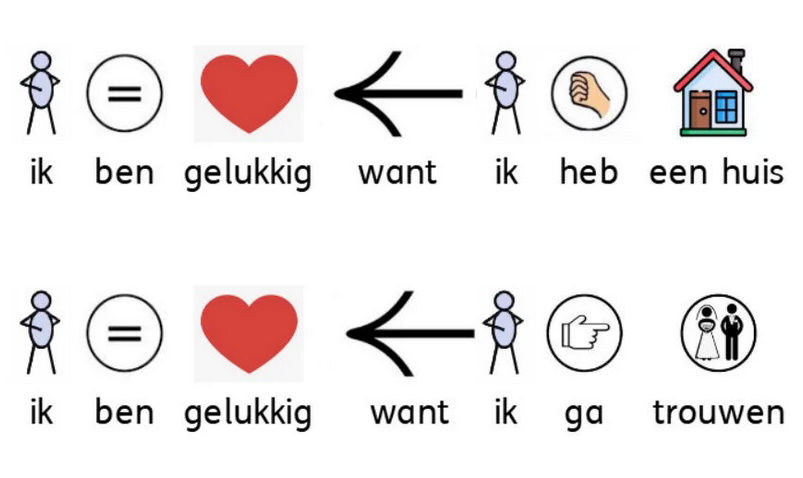
I am happy because I have a house

I am happy because I am getting married 

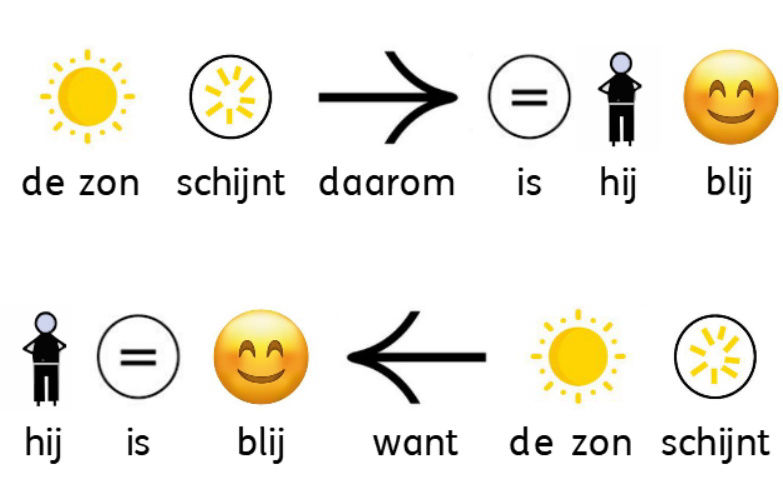
the sun shines and therefore he is glad


he is glad because the sun shines


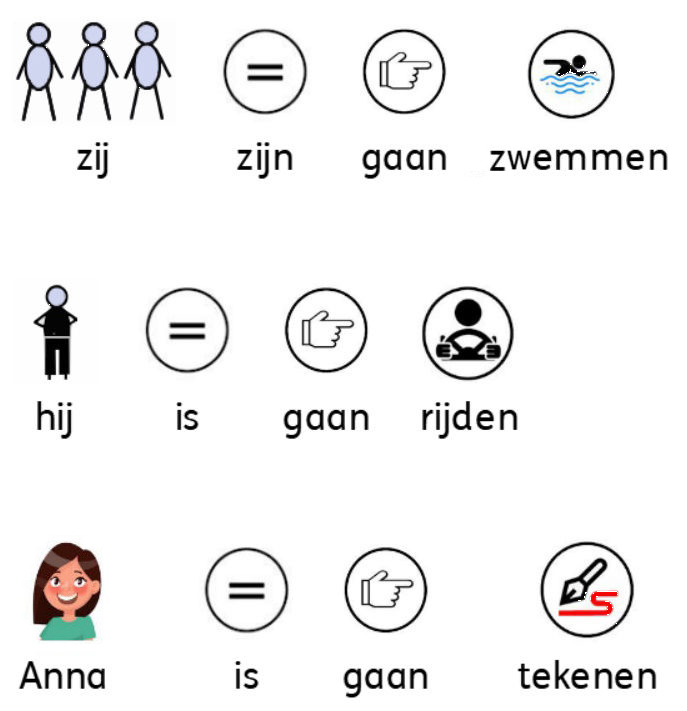
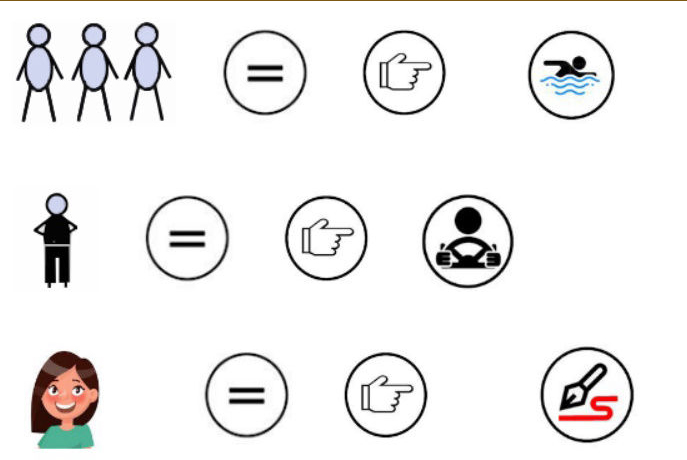
Gaan in the perfect tense

1 They have gone swimming

2 He has gone driving

3 Anna has gone drawing

Test

1. I am a boy

2. I am a girl

3. I am a man

4. I am a woman

1. He is in the town

2. She is at home

3. You are at the office

I am happy because I have a house

I am happy because I am getting married

The sun shines and therefore he is glad

He is glad because the sun shines


1. They have gone swimming

2. He has gone driving

3. Anna has gone drawing

Train with flashcards

Choose a topic. Tap a picture to see and hear the Dutch word.

Check your understanding

Say or write your answer first. Then open the answer to check.

Complete: Jij ___ moe; hij ___ moe.
Jij bent moe; hij is moe.
Make a question: U bent thuis.
Bent u thuis?