CHAPTER 3
Lesson 22 · Verbs

The problem of mastering verbs
It is unrealistic to expect that you can learn all Dutch verbs from this chapter. There are many verbs, and some don’t follow simple rules, making it challenging to remember and use them well after just one lesson. Because of this, this chapter is structured differently from previous ones. Rather than teaching everything, it focuses on introducing some important verbs and grammar rules. We will also display verbs in tables to provide plenty of examples. Mastering verbs requires frequent practice and exposure in real-life situations, so consider this chapter a guide, not a complete lesson.
Now, let’s begin with a simple introduction.
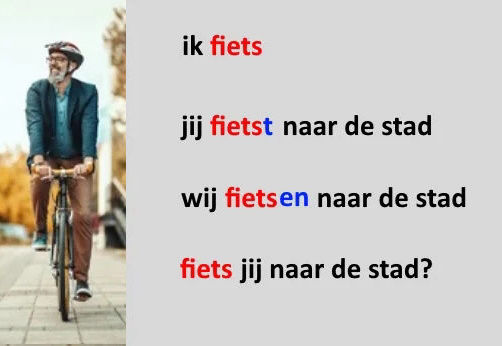
This lesson starts with regular verbs. A verb changes to match its subject and tense. Begin with fietsen: ik fiets, jij fietst, hij fietst, wij fietsen. Reflexive verbs, such as zich wassen, are introduced in Lesson 44.
Regular and Irregular Verbs
A verb is a word that indicates an action or a state of being. There are two main types of verbs:
Regular verbs – These verbs follow standard rules. (See picture for example.) These verbs are called regular verbs.
Irregular verbs – These verbs do not follow standard rules. Examples include the verbs to have and to be. These are known as irregular verbs.
For regular verbs, we start with the form "ik fiets" (see picture for the first sentence). Notice that when forming questions with "you", the verb behaves similarly to how it does with "I" (see picture).
Explanation
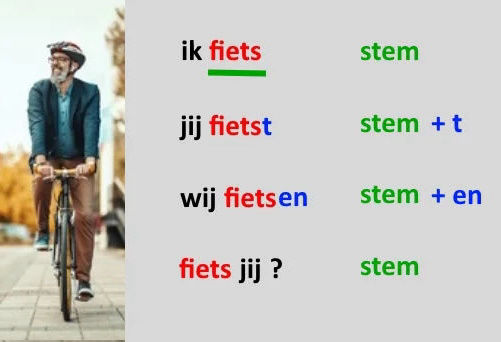
The present-tense stem is often the ik form: fiets. With jij, hij, zij and u, a regular verb usually takes -t: jij fietst, hij fietst. The plural usually uses the infinitive: wij fietsen.
If jij or subject je follows the verb, the added -t disappears: Fiets jij? It remains with u: Fietst u? A stem already ending in t gets no extra t: ik wacht, jij wacht. Spelling changes are sometimes needed: maken → maak, reizen → reis.
Perfect Form
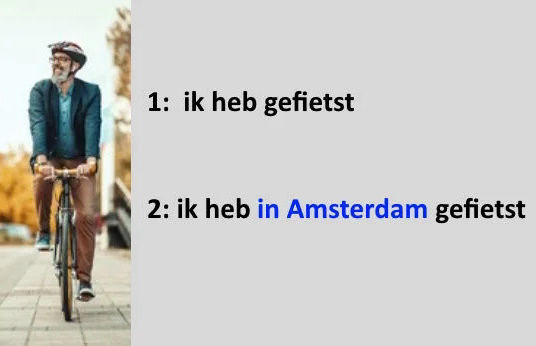
Verbs describe an action. When an action is finished (in English, we say "it is done"), a construction with another verb (like "to have" or "to be") is used. This is called the perfect form. The example below shows this with the verb "to have":
"I have cycled in Amsterdam."
Now we give some examples
Remember, regular verbs follow predictable patterns, making it easier to conjugate new verbs once you've learned these patterns!
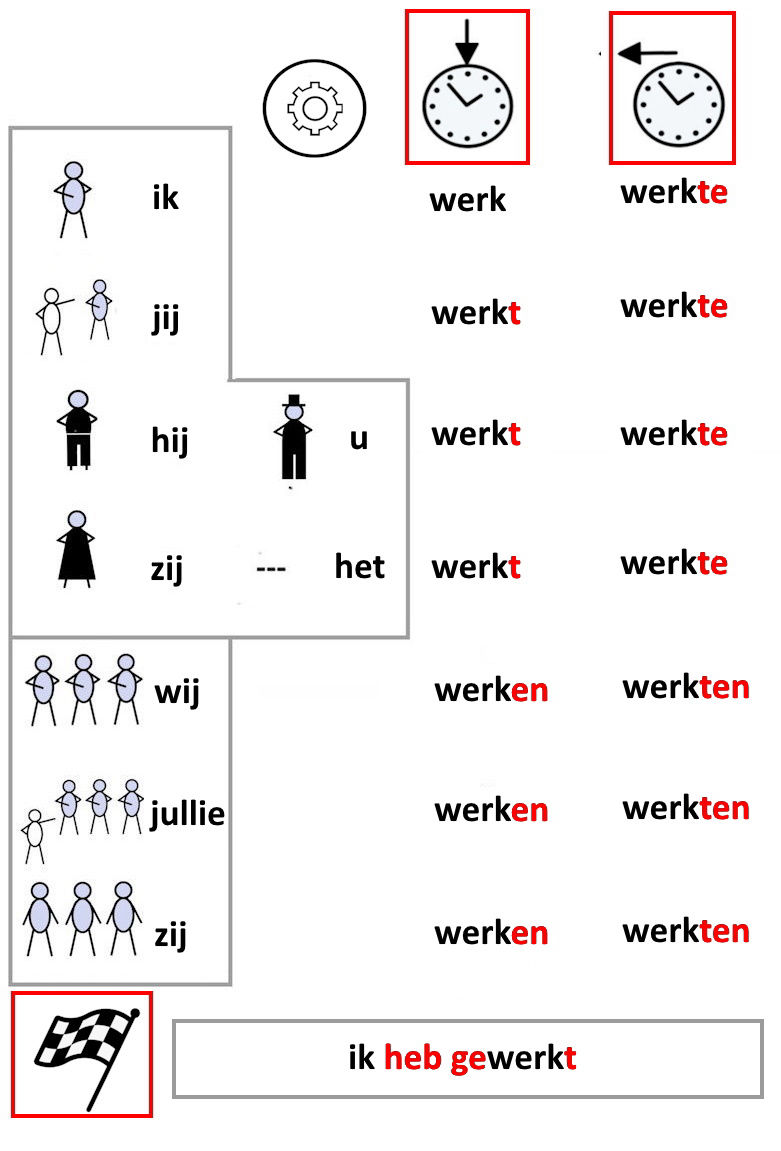
The first verb we present is "to work". It is represented by a special symbol: the cogwheel. We have chosen this abstract symbol because more specific symbols can lead to confusion. For instance, consider the symbol of a carpenter. If you encounter the sentence "Anna works at an office," a symbol depicting a carpenter would surely lead to a misconception.
Anna works at an office
- werk (present) = work
- werkt (present, singular) = works
- werken (present, plural) = work
- werkte (past) = worked
- werkten (past, plural) = worked
- ik heb gewerkt (perfect) = I have worked
More examples
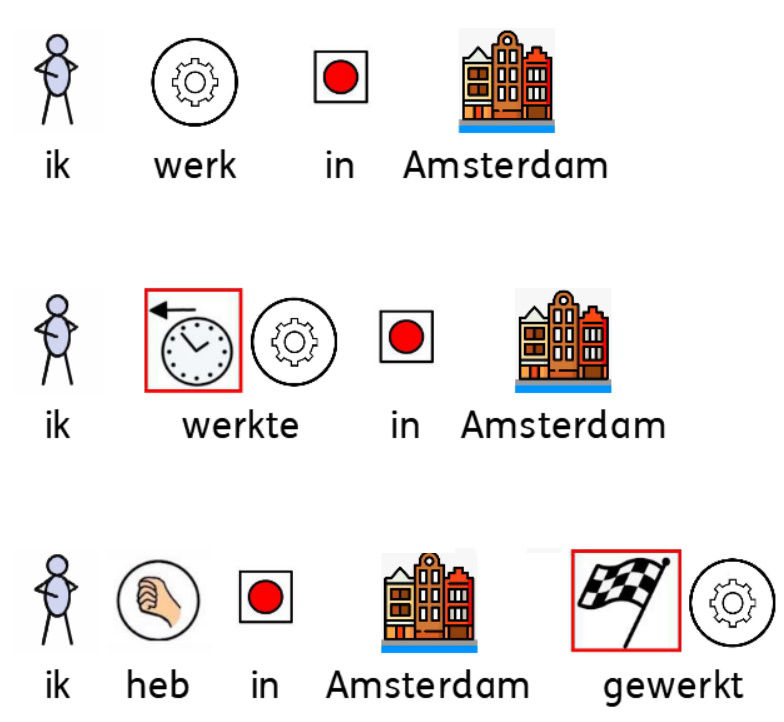
1 I work in Amsterdam
2 I worked in Amsterdam
3 I have worked in Amsterdam
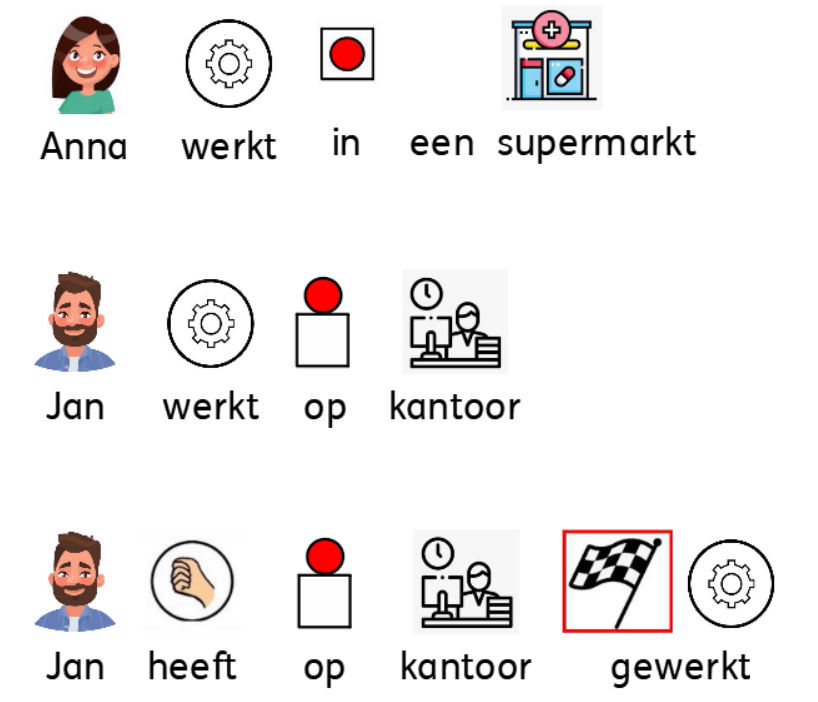
1. Anna works at a supermarket
2. Jan works in the office
3. Jan has worked in the office
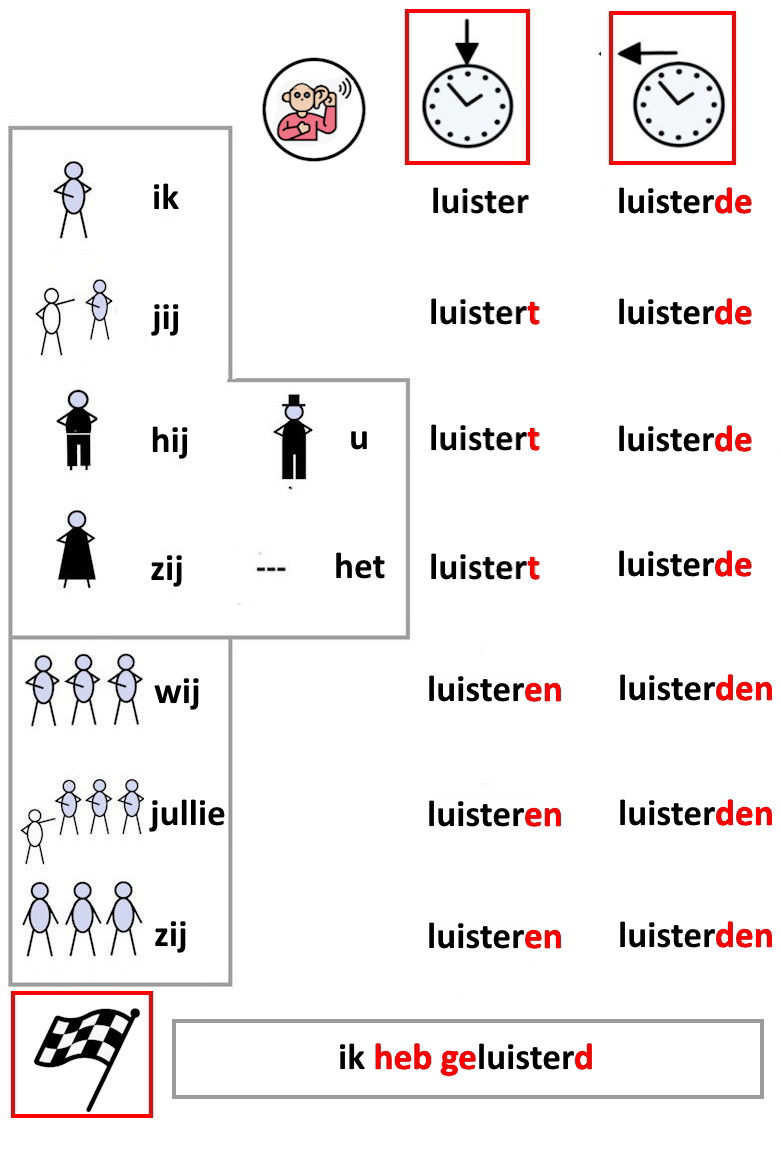
- luister (present) = listen
- luistert (present, singular) = listens
- luisteren (present, plural) = listen
- luisterde (past) = listened
- luisterden (past, plural) = listened
- ik heb geluisterd (perfect) = I have listened
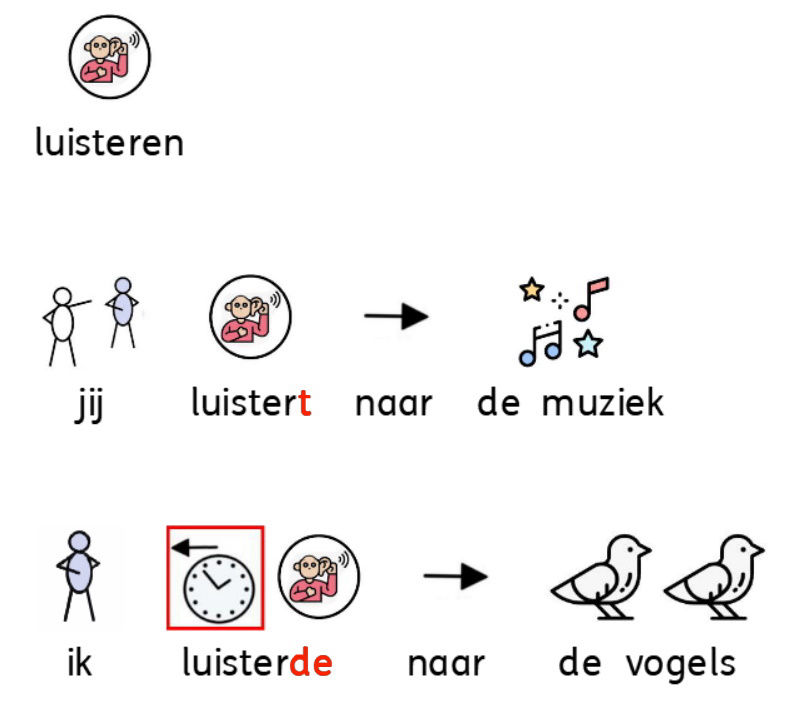
1 to listen
2 you listen to the music
3 I listened to the birds
Verb Conjugation in Table Form
We can also show how to conjugate verbs using a table. The following table presents conjugations for these verbs:
- to live (Dutch: wonen)
- to work (Dutch: werken)
- to pay (Dutch: betalen)
- to travel (Dutch: reizen)
- to play (Dutch: spelen)
Each row in the table shows the verb form for different subjects like I, you, he/she/it, we, and they.
Regular verbs: the right form for each person
Choose the person at the top. Compare the present and past forms.
| Tense | ik | jij u | hij zij het | wij jullie zij |
|---|---|---|---|---|
| wonen — to live | ||||
| Present | woon | woont | woont | wonen |
| Past | woonde | woonde | woonde | woonden |
| werken — to work | ||||
| Present | werk | werkt | werkt | werken |
| Past | werkte | werkte | werkte | werkten |
| betalen — to pay | ||||
| Present | betaal | betaalt | betaalt | betalen |
| Past | betaalde | betaalde | betaalde | betaalden |
| reizen — to travel | ||||
| Present | reis | reist | reist | reizen |
| Past | reisde | reisde | reisde | reisden |
| spelen — to play | ||||
| Present | speel | speelt | speelt | spelen |
| Past | speelde | speelde | speelde | speelden |
Tap a person to see the present and past forms.
wonen — to live
- Present
- woon
- Past
- woonde
werken — to work
- Present
- werk
- Past
- werkte
betalen — to pay
- Present
- betaal
- Past
- betaalde
reizen — to travel
- Present
- reis
- Past
- reisde
spelen — to play
- Present
- speel
- Past
- speelde
wonen — to live
- Present
- woont
- Past
- woonde
werken — to work
- Present
- werkt
- Past
- werkte
betalen — to pay
- Present
- betaalt
- Past
- betaalde
reizen — to travel
- Present
- reist
- Past
- reisde
spelen — to play
- Present
- speelt
- Past
- speelde
wonen — to live
- Present
- woont
- Past
- woonde
werken — to work
- Present
- werkt
- Past
- werkte
betalen — to pay
- Present
- betaalt
- Past
- betaalde
reizen — to travel
- Present
- reist
- Past
- reisde
spelen — to play
- Present
- speelt
- Past
- speelde
wonen — to live
- Present
- wonen
- Past
- woonden
werken — to work
- Present
- werken
- Past
- werkten
betalen — to pay
- Present
- betalen
- Past
- betaalden
reizen — to travel
- Present
- reizen
- Past
- reisden
spelen — to play
- Present
- spelen
- Past
- speelden
In questions with jij after the verb, the extra -t disappears: Woon jij hier? Werk jij vandaag? With u, it remains: Woont u hier?
More examples
Now more examples are given and in order to start simple we give only the present and the past tense. Later, we will pay more attention to the perfect tense.
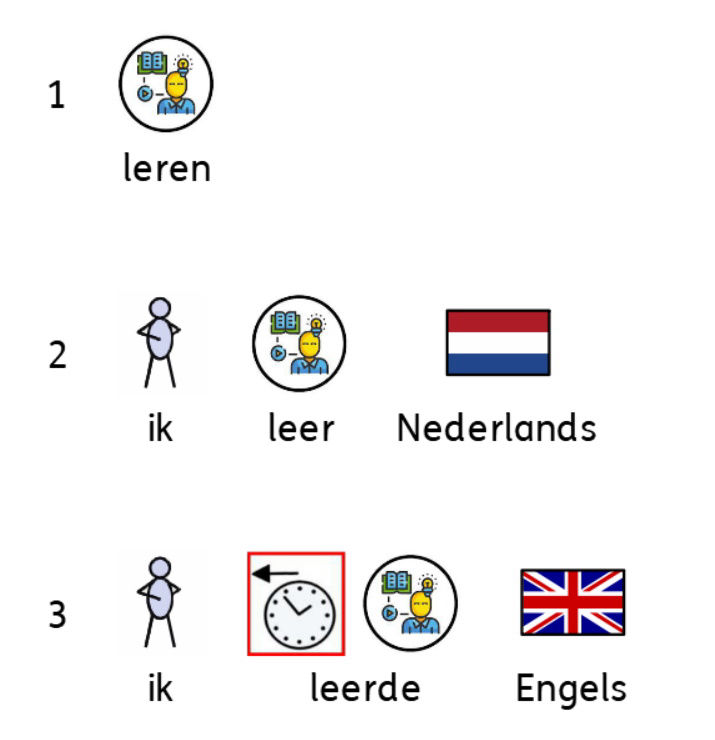
1 to learn
2 I learn Dutch
3 I learned English
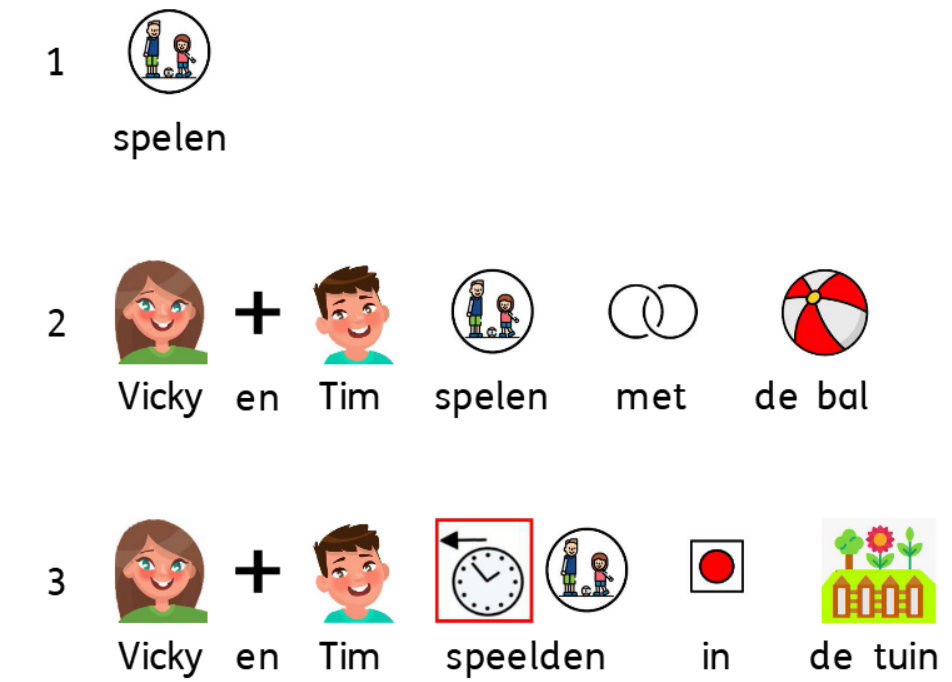
1 to play
2 Vicky and Tim play with the ball
3 Vicky and Tim played in the garden
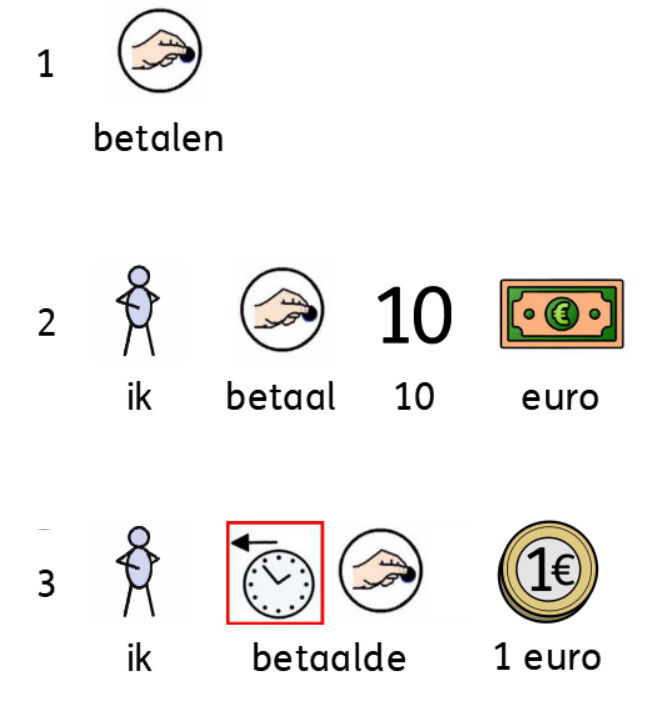
1 to pay
2 I pay 10 euro
3 I paid 1 euro
When an action has ended

Finally, an example of a form where the action is completed is: "I have paid 10 euros." In this case, "have paid" indicates that the payment is finished. The word order is very typical in Dutch: it starts with "ik heb", followed by the amount, and the sentence ends with the verb "betaald".
I have paid 10 euros.
Another example: travel
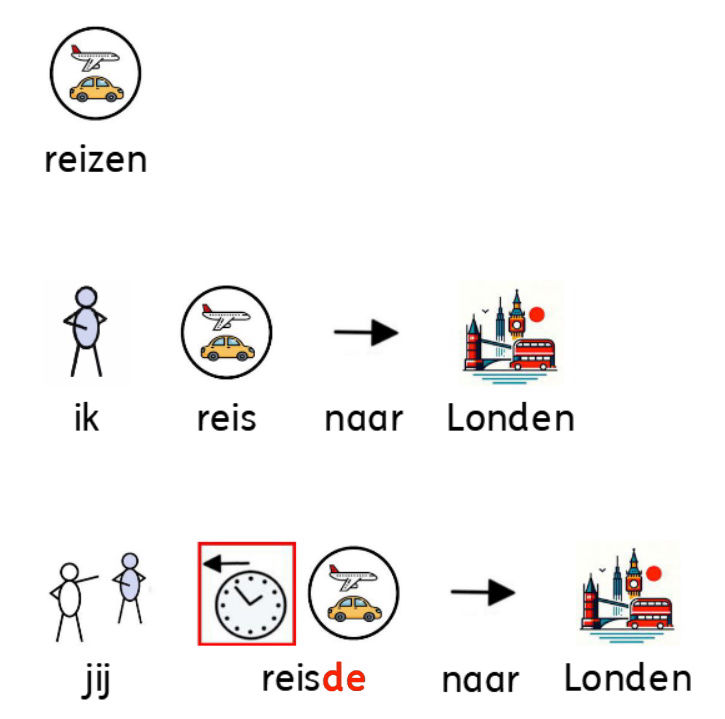
1 to travel
2 you travel to England
3 you travelled to England
Rent a house
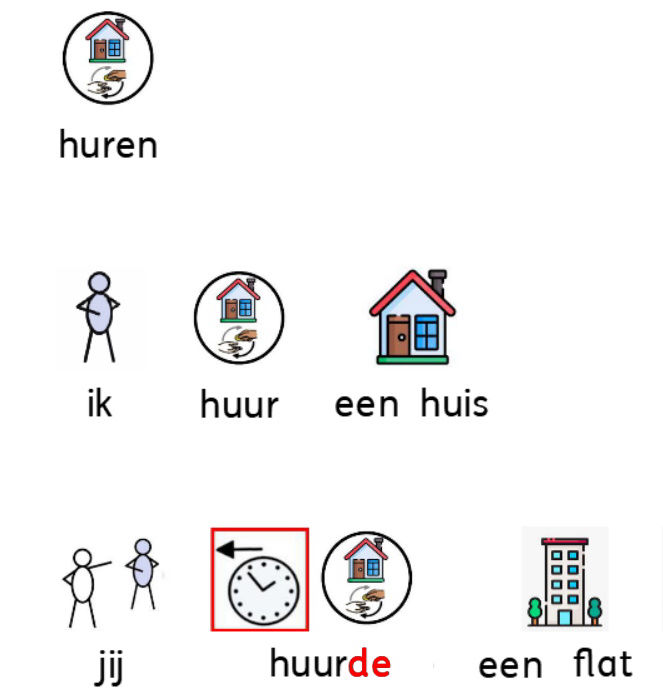
1 to rent
2 I rent a house
3 I rented an apartment
Test
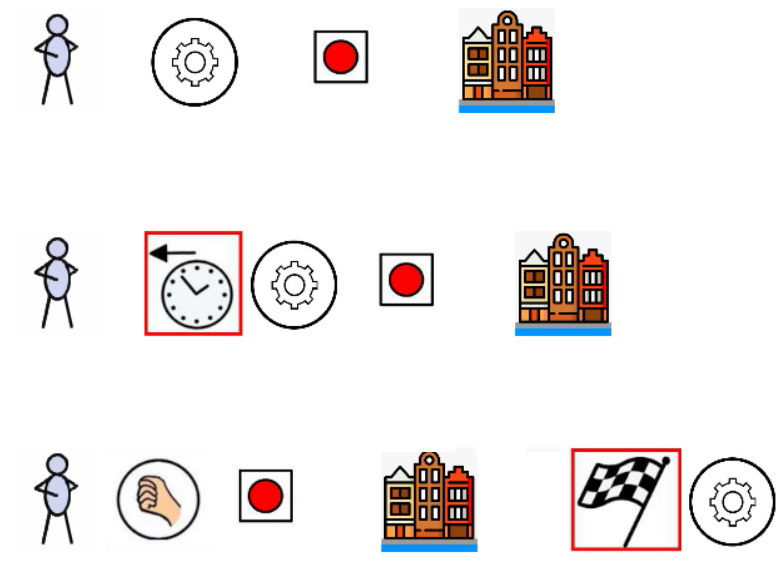
1. I work in Amsterdam
2. I worked in Amsterdam
3. I have worked in Amsterdam
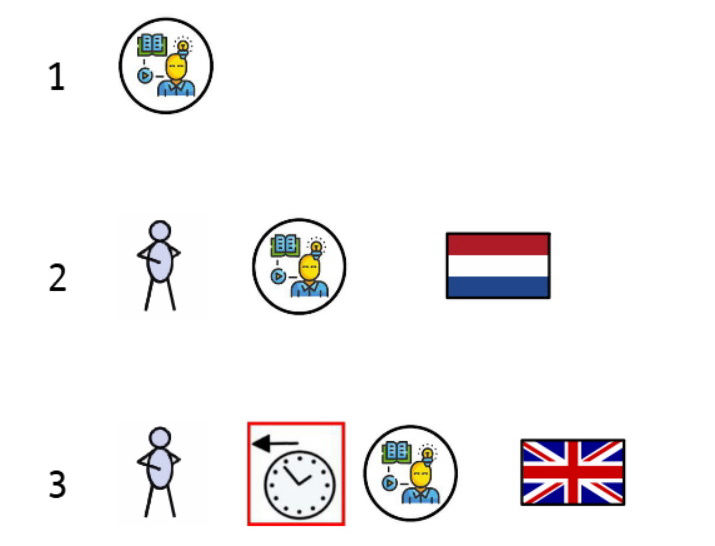
1. To learn
2. I learn Dutch
3. I learned English
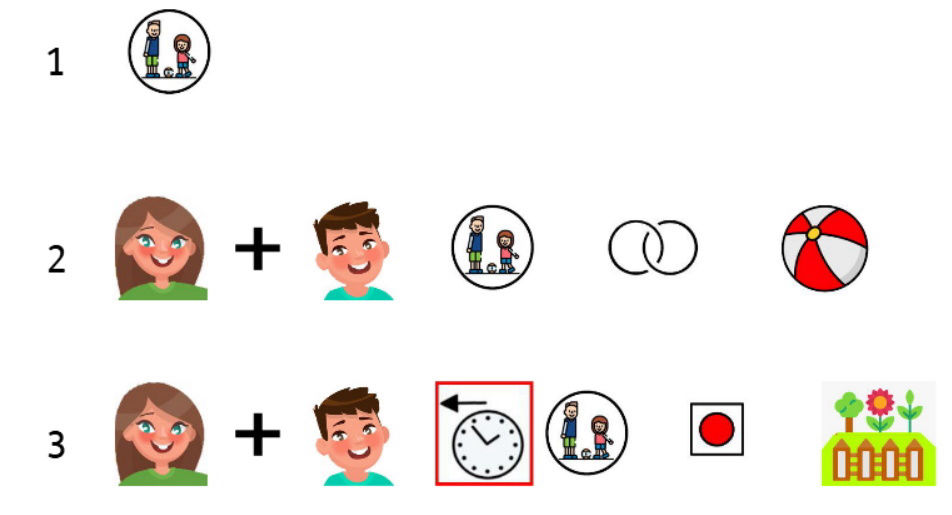
1. To play
2. Vicky and Tim play with the ball
3. Vicky and Tim played in the garden
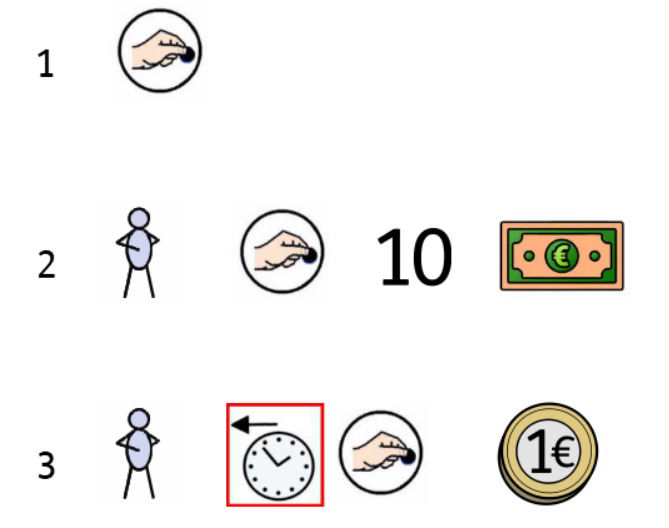
1. To pay
2. I pay 10 euro
3. I paid 1 euro
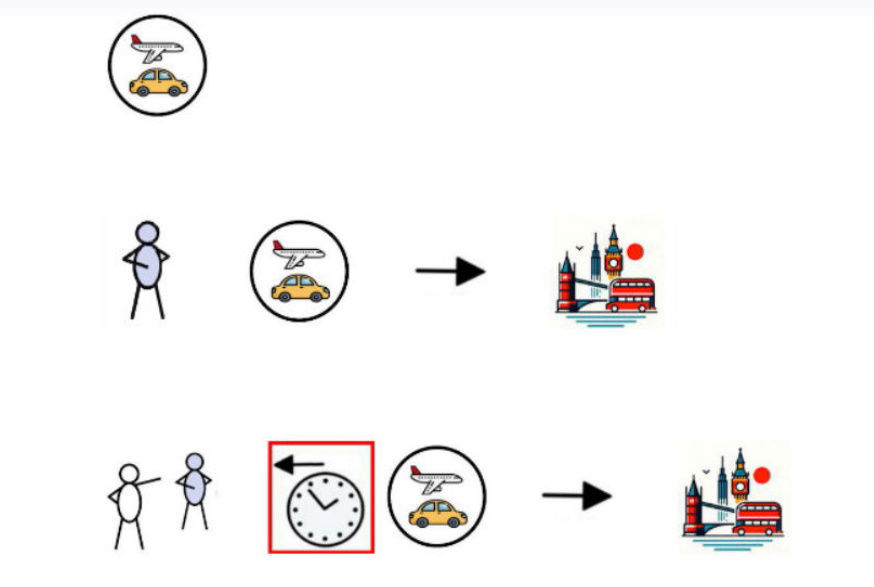
1. To travel
2 ?d
3. You travelled to England
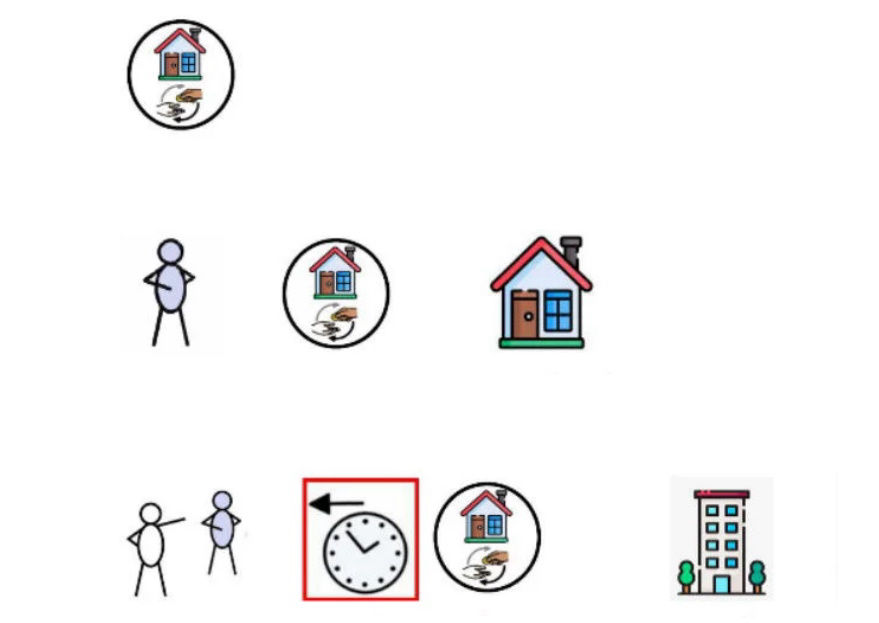
1. To rent
2. I rent a house
3. I rented an apartment
more on the perfect form

Vicky and grandpa
Vicky always asks grandpa what he did. Now we see how the perfect form is used.
Here are her questions.
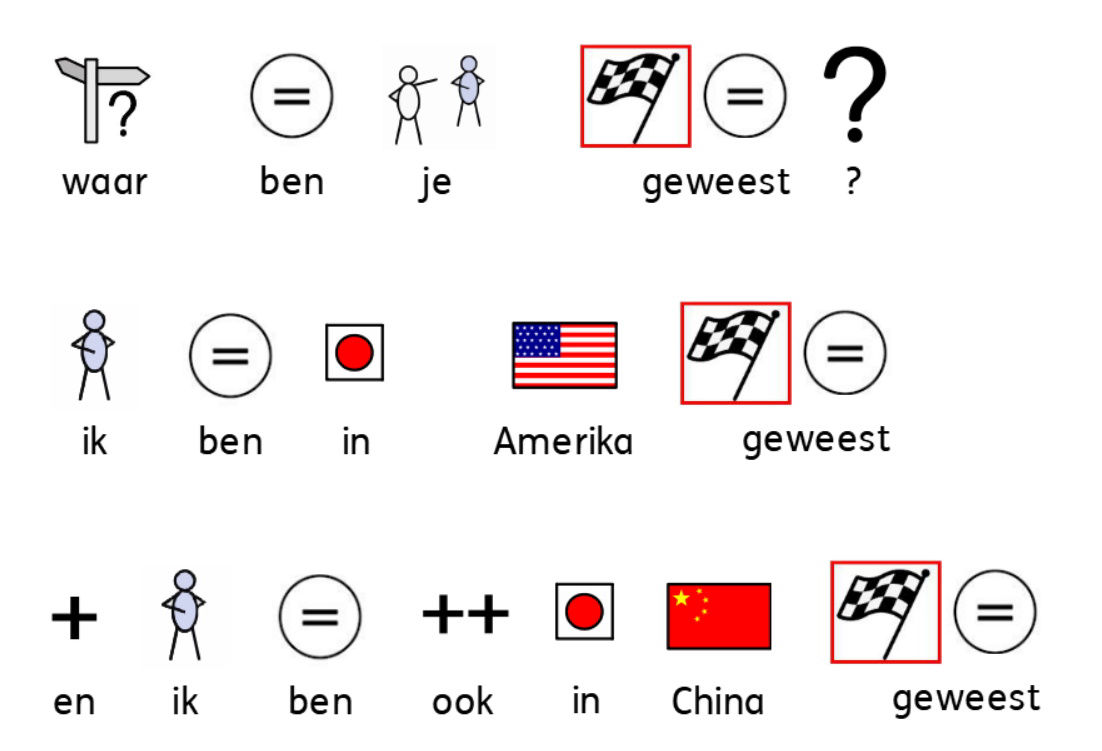
1 where have you been?
2 I have been to America
3 and I have been to China too
Perfect form with the verb "to be"

Notice that in the conversation, we met the perfect form of the verb to be:
Notice also that the "the place" ("in Amerika" and "in China") written between "ben" and "geweest".
One more test
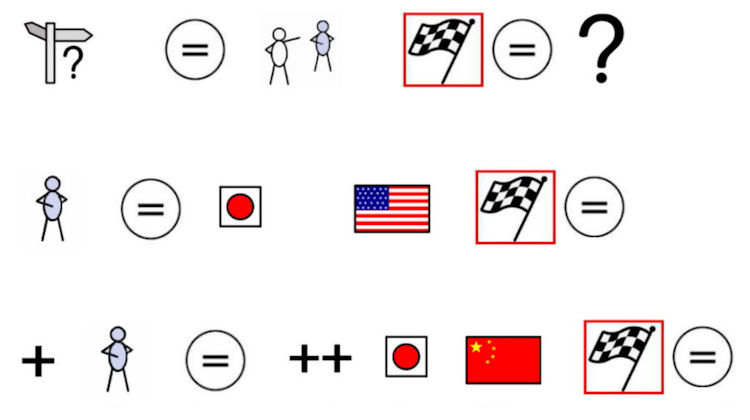
1. Where have you been?
2. I have been to America
3. And I have been to China too
Check your understanding
Say or write your answer first. Then open the answer to check.